Fire Doors in Manchester
A fire door is one of the most important safety features in any shared building, but it only does its job if every part of it is right. MZ Works Construction provides fire door installation in Manchester, together with inspections, surveys and repairs, for landlords, letting agents, block managers, responsible persons and commercial clients. Our FIRAS-certified installers fit FD30 and FD60 fire doors as complete doorsets, with the correct frames, hinges, intumescent seals and self-closing devices, and record every installation so you have the evidence you need to show the work was done properly.
What Makes a Fire Door Work
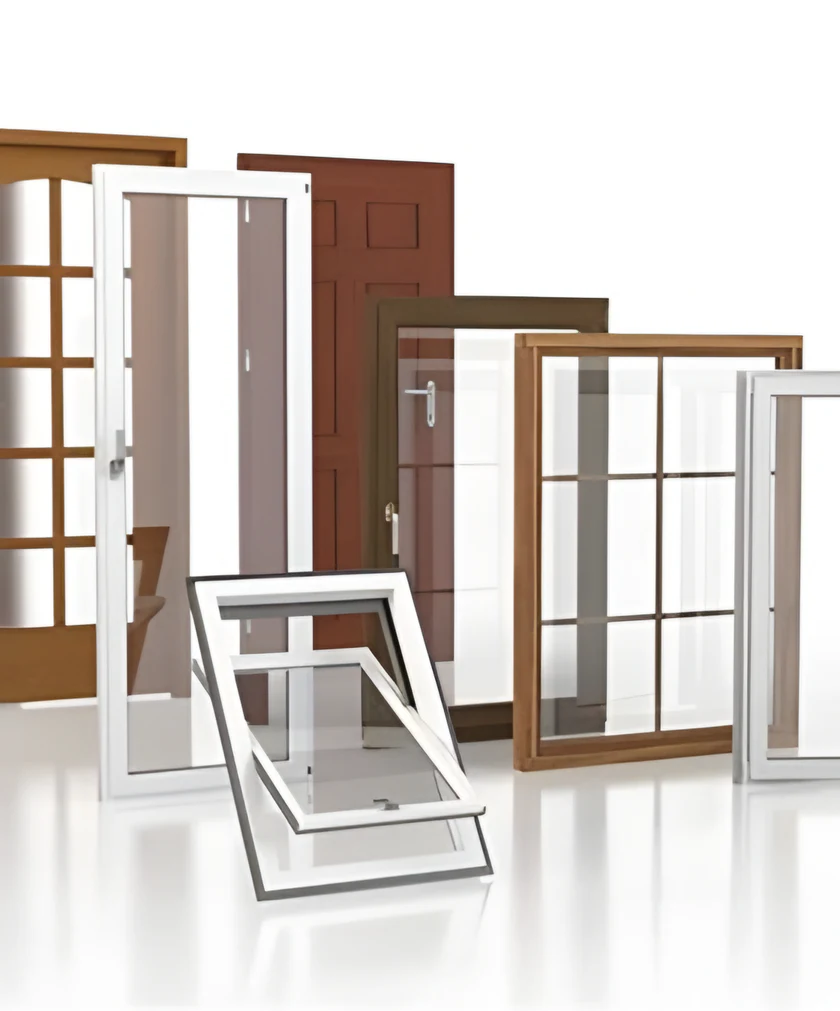
A fire door is not just a heavier door. It is a tested assembly in which the leaf, frame, hinges, latch, intumescent seals, smoke seals where specified, glazing and self-closer all work together. An FD30 door is designed to resist fire for 30 minutes and an FD60 for 60 minutes, but only when it is correctly installed as a complete doorset. Swap one component for an untested alternative, or hang the door with the wrong gaps, and that performance can no longer be relied upon.
That is why installation matters as much as the door itself. Our FIRAS-certified installers follow the manufacturer's instructions and test evidence for each doorset, so the finished door matches what was tested rather than simply looking the part.
- Certified door leaf and matching frame
- Fire-rated hinges, latches and ironmongery
- Intumescent seals and smoke seals where specified
- Correct gaps around the leaf, within the specified tolerances
- A self-closing device that closes the door fully
- Fire-rated glazing and signage where required
Common Fire Door Faults We Find
Many fire doors that were fitted correctly stop performing over time. On surveys across Greater Manchester, the problems we come across most often include self-closers that have been disconnected or adjusted so the door no longer latches, doors wedged open for convenience, missing or painted-over intumescent seals, and gaps that have grown as hinges have worn or the frame has moved.
Other faults come from well-meant alterations: a new letterbox, spyhole or lock fitted without fire-rated components, holes left by old ironmongery, or a damaged leaf patched with ordinary filler. Each of these can reduce how long the door would hold back fire and smoke. Some faults can be repaired, while others mean the door or doorset needs replacing.
Fire Door Duties for Landlords and Responsible Persons
Under the Regulatory Reform (Fire Safety) Order 2005, the responsible person for a building's common parts must take reasonable steps to protect people from fire, and fire doors are a central part of that. The Fire Safety (England) Regulations 2022 added specific duties for multi-occupied residential buildings. In buildings over 11 metres in height, responsible persons must check communal fire doors every three months and use their best endeavours to check flat entrance doors annually.
In buildings with two or more sets of domestic premises, residents must also be given information about the importance of fire doors. HMOs and other buildings should follow the frequency and requirements set out in their fire risk assessment. If you are unsure which duties apply to your building, your fire risk assessor is the right starting point, and we can then carry out the surveys and remedial work they recommend.
How a Fire Door Survey Works
A survey starts with agreeing which doors are in scope, such as communal doors, flat entrance doors or specific doors identified in a fire risk assessment. On site, we examine each door in turn, checking the leaf and frame for damage, the condition of seals, the gaps around the door, the hinges and ironmongery, any glazing, and whether the self-closer brings the door fully shut from any angle.
We then provide a clear report on each door's condition, noting what is compliant, what needs repairing and what needs replacing. That gives you a practical, prioritised list of work to plan and budget for, and a record that the doors have been inspected.
- Agree the doors in scope and arrange access
- Inspect each leaf, frame, seal and closer
- Check gaps, hinges, latches and glazing
- Record findings for each door
- Recommend repair or replacement
- Complete remedial work and certify installations
Installing New FD30 and FD60 Doorsets
Where a door needs replacing, the rating is set by the building's fire strategy or fire risk assessment rather than chosen on the day. Many flat entrance doors and internal doors in HMOs are specified as FD30, while some locations, such as certain stairwells, riser cupboards and commercial areas, may call for FD60. We will work to the specification you have been given and flag anything that looks inconsistent.
Our installers remove the old door and, where needed, the frame, then fit the new doorset square and plumb, set the gaps, fit the seals and ironmongery, and adjust the self-closer so it closes and latches reliably. Each installation is recorded and certified on completion.
Advice for HMOs, Blocks and Commercial Buildings
In HMOs and blocks of flats, the biggest threat to a fire door is everyday use. Tenants prop doors open, remove closers that feel heavy and replace locks without thinking about the rating. Clear signage, simple information for residents and regular checks go a long way. When a tenancy changes, it is a good moment to look at the flat entrance door, especially if locks have been changed.
In offices, shops, hotels and other commercial premises, fire doors often protect escape routes used by staff and visitors. We can survey and maintain these doors alongside other property maintenance, and where doors need to stay open during the day, discuss options with you and your fire risk assessor rather than relying on wedges.
Simple Checks Between Professional Inspections
Responsible persons and property managers can carry out quick visual checks between surveys. Open the door and let it go: it should close fully onto the latch without being pushed. Look for damage to the leaf or frame, missing or damaged seals, loose hinges and any new holes or fittings. Make sure the fire door signs are in place and that the door is not being wedged open.
These checks do not replace a proper inspection, but they help you spot problems early. If anything looks wrong, arrange for the door to be looked at by a competent installer rather than attempting repairs with ordinary parts.
Fire Door Specialists Across Greater Manchester
From our base at Suite 112a, 53 Derby Street, Manchester, we carry out fire door inspections and installations across all ten Greater Manchester boroughs. We work in apartment blocks in the City Centre, Ancoats and Salford Quays, HMOs in Rusholme, Withington and Chorlton, and residential and commercial buildings in Stockport, Oldham, Bolton, Bury, Rochdale, Tameside, Trafford and Wigan.
Managing agents and landlords with buildings in several boroughs can use us for surveys and remedial work across their whole portfolio, with consistent reporting from one contractor.
Why Choose MZ Works for Fire Door Compliance
Our FIRAS-certified installers understand that fire door work is safety-critical, not cosmetic. We survey honestly, recommend only the work that is needed and install doorsets in line with their test evidence. As a multi-trade contractor, we can also handle related work such as joinery repairs, decorating and electrical tasks, with one point of contact. Our tradespeople are DBS-checked and fully insured.
For fire door installation in Manchester, surveys or repairs, call us on +44 7535 048548, email info@mzworks.co.uk or request a free quote online. Tell us about your building and we will arrange a visit.